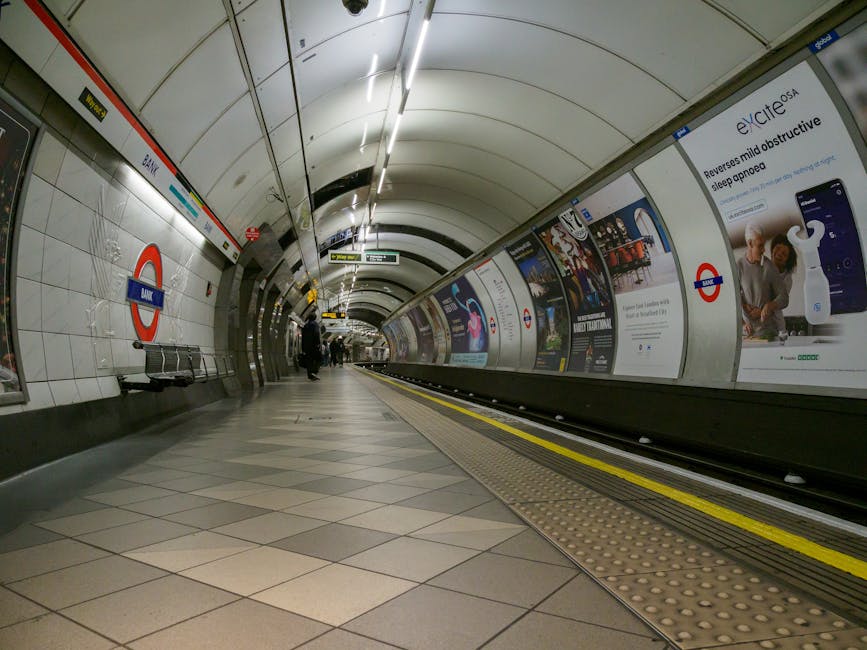
West Croydon Station Junk Removal for Commuters
Posted on 14/07/2026
West Croydon Station Junk Removal for Commuters: A Practical Local Guide
If you commute through West Croydon Station, you already know how quickly a small pile of clutter can turn into a proper nuisance. A broken chair waiting by the door, an old monitor that never quite makes it to the tip, a bag of mixed rubbish you meant to deal with last weekend - it all gets in the way. West Croydon Station Junk Removal for Commuters is about making that problem disappear without wrecking your day, your schedule, or your sanity.
This guide explains how commuter-friendly rubbish removal works, what you can expect, when it makes sense, and how to avoid the usual mistakes. You will also find practical tips, compliance guidance, and a simple checklist to help you move from "I'll sort it later" to actually sorting it. To be fair, later is often the moment when the bag starts smelling odd and the hallway starts looking smaller.

Why West Croydon Station Junk Removal for Commuters Matters
Commuters tend to live in narrow time windows. You leave early, get home late, and the small jobs that should take ten minutes somehow get pushed into another week. Junk removal near a busy station matters because it fits into real life rather than asking you to stop everything for a whole afternoon.
West Croydon is a classic example of a place where convenience matters. People travel through on busy mornings, change trains, rush for buses, and head home already tired. If you are dragging a dead printer, a bulky box of old cables, or a mattress across the flat, the whole thing becomes a bigger task than it needs to be. Nobody needs that kind of extra workout after a long day.
There is also a practical side that people often overlook. Clutter left too long can block entrances, create fire risks in shared hallways, attract damp or pests, and make a rental property or flat feel more stressful than it should. For residents, landlords, and small businesses around the station, quick junk clearance is not just about tidiness. It is about keeping spaces usable, safe, and respectable.
And let's face it, station areas are all about movement. The most effective rubbish removal service for commuters is one that moves with you: flexible timing, clear pricing, no drama, and a tidy finish.
If you want to understand the wider range of clearance options available in the area, the services overview is a helpful place to start, especially if your disposal needs go beyond a single item or two.
How West Croydon Station Junk Removal for Commuters Works
In simple terms, the process is designed to be quick and low-friction. You tell the team what needs removing, choose a convenient time, and the waste is collected from your home, office, shop, or shared property. For commuters, the key is timing. Morning pick-up before work, late afternoon collection, or a slot that lines up with your return journey can make all the difference.
Most people are removing one of a few common things: unwanted furniture, old white goods, general household rubbish, office clutter, packaging, or a mix of items that no longer have a proper place. Some loads need manual lifting. Some need sorting. Some can be recycled more easily than others. The good providers will explain what is going where, instead of just loading everything and hoping for the best.
A typical commuter-friendly clearance might look like this:
- You send a short description or a few photos of the junk.
- You receive a quote or price estimate based on the volume and type of waste.
- You book a time that works around the commute.
- The team arrives, removes the items, and leaves the area swept through.
- Recyclable materials and reusable items are separated where possible.
That's the ideal version, anyway. In real life, you may discover the "small pile" includes a broken wardrobe, three bags of mixed junk, and a microwave that somehow weighs more than it should. Still manageable. Just be honest about what is there.
If you are clearing furniture specifically, you may also want to look at furniture removal options in Croydon or the related furniture disposal service if the load is mostly bulky household pieces.
Key Benefits and Practical Advantages
There are several reasons commuters choose professional rubbish removal instead of trying to manage it alone. The most obvious one is time, but there are a few more worth spelling out.
- Less disruption: You do not need to spend your only free evening hiring a van, finding parking, or making multiple trips.
- Safer lifting: Bulky items like wardrobes, desks, and white goods can be awkward and genuinely risky to move alone.
- Faster turnaround: A well-planned collection can remove the problem in one visit rather than dragging it out for days.
- Better recycling outcomes: Mixed waste can often be sorted properly when handled by a licensed carrier.
- Cleaner homes and shared spaces: Hallways, storage cupboards, and entry areas stay clear and easier to manage.
There is also the small but real mental benefit. Clutter has a way of sitting in the corner of your eye all day. Once it is gone, the room feels quieter. Not bigger exactly, but calmer. That matters after a crowded commute and a noisy station platform.
Expert summary: For commuters, the best junk removal service is not the cheapest one on paper. It is the one that saves time, handles items safely, and fits around train times, work shifts, and the messy reality of modern life.
For more on responsible handling and sorting, the page on recycling and sustainability gives a useful sense of how waste can be managed more carefully.
Who This Is For and When It Makes Sense
This kind of service is a good fit for a lot more people than you might think. It is not just for full house clearances or major renovations. Around a busy station, the need is often smaller, simpler, and more urgent.
Good candidates include:
- train commuters with limited weekday time
- tenants moving in or out of flats near West Croydon Station
- landlords preparing a property between lets
- office workers dealing with old desks, chairs, or paperwork
- small retailers clearing packaging, damaged stock, or display items
- people replacing a sofa, mattress, fridge, or washing machine
- anyone who has a growing pile of "I'll deal with it on Saturday" items
It also makes sense when access is awkward. Shared stairwells, tight front doors, limited parking, and narrow side streets are all common pain points. A professional crew can usually deal with those details far better than someone trying to manoeuvre a sofa down the stairs in a suit before the 8:12.
If your situation is a bit broader - say, several rooms of clutter, a loft that has become a time capsule, or an office that needs a reset - then broader clearance pages such as waste clearance in Croydon or house clearance support may be more appropriate.
Step-by-Step Guidance
If you want the smoothest result, it helps to approach the job in a sensible order. This is where people save themselves stress, especially when they are squeezing the task between work and travel.
1. Decide what actually needs to go
Walk through the space and separate junk into clear groups: keep, donate, recycle, and remove. Do not rely on memory. Memory is wonderful until you are staring at a pile of cables thinking, "Was that important?"
2. Note anything awkward or heavy
Flag mattresses, white goods, glass, sharp materials, oversized furniture, and anything stored upstairs, in a basement, or behind locked shared access. The more detail you give upfront, the fewer surprises later.
3. Take a few photos
Photos help with estimates and planning. They also reduce misunderstandings. A picture of a pile in a hallway tells a better story than "it's just a few bits." Truth be told, "just a few bits" can mean nearly anything.
4. Choose a collection time that fits your commute
Early morning before you leave, lunchtime if you work nearby, or after work if access is reliable. If you live close to the station, think about foot traffic, delivery windows, and whether parking or loading space will be available.
5. Clear a path before the team arrives
Move fragile items out of the way, unlock shared doors if needed, and make sure the junk is accessible. The smoother the route, the quicker the job.
6. Ask how the waste will be handled
It is reasonable to ask whether items will be recycled, reused, or disposed of appropriately. A good operator should be able to explain this in plain English without making it sound mysterious.
7. Check the final area
Once the removal is complete, look over the space. Make sure nothing small has been missed, especially chargers, loose screws, or packaging hidden under larger items.
If you are looking for pricing context before you book, the pricing and quotes page is a sensible next stop.
Expert Tips for Better Results
Small choices make a big difference here. A few practical habits will save you time, money, and a fair bit of annoyance.
- Group items by type: Keep furniture, general waste, and electrical items separate if you can.
- Be honest about volume: Understating the load usually creates more hassle than it saves.
- Think in access, not just items: A single heavy item on the third floor may take more effort than three light bags on the ground floor.
- Use off-peak times wisely: Less congestion near station areas can make loading quicker and calmer.
- Keep a simple list: It helps if you are organising the removal while juggling work, childcare, or travel.
One more thing: if you are disposing of electronics or appliances, do not leave them outside "for later" unless the collection arrangement is confirmed. That can attract damp, lift safety issues, or unwanted attention from passers-by. Not ideal.
For appliance-specific jobs, the white goods and appliance disposal service is worth considering. For larger office jobs, office clearance may fit the brief better.

Common Mistakes to Avoid
A lot of rubbish-removal problems are self-inflicted, honestly. Usually not in a dramatic way - just a few small oversights that snowball.
- Waiting too long: Clutter grows. It always does.
- Not checking access: A van can't help much if nobody can get a bulky item through the stairwell.
- Choosing purely on speed: Fast is useful, but not if the service is vague or careless.
- Mixing hazardous or restricted items in without asking: Some waste needs special handling.
- Forgetting parking or loading constraints: Station areas can be busy and space may be tight.
- Assuming everything will be recycled automatically: Sorting still matters.
There is also the classic "I'll sort it in the morning" mistake. If you are a commuter, morning has a habit of disappearing into toast, emails, and the race to catch the train.
Better to prepare the space the night before, even if it only takes fifteen minutes.
Tools, Resources and Recommendations
You do not need much in the way of tools, but a few basics make the process cleaner and calmer.
| Item | Why it helps | Best use |
|---|---|---|
| Phone camera | Captures what needs removing | Getting accurate quotes and avoiding confusion |
| Bin bags or boxes | Contain loose junk safely | Small mixed items, cables, packaging, paper waste |
| Gloves | Protect hands from dust or sharp edges | Sorting old storage areas or loft items |
| Measuring tape | Checks item size against doors or stairwells | Large furniture, desks, appliances |
| Notebook or notes app | Helps you stay organised | Lists, booking details, access instructions |
From a service perspective, the most useful resources are the ones that help you understand what is being removed and why. The waste disposal information page and rubbish collection page are both useful if you are comparing general clearance approaches.
If you are dealing with something more specific, such as builder debris or office furniture, look at builders waste disposal or commercial waste removal depending on the source of the clutter.
Law, Compliance, Standards, or Best Practice
Waste removal in the UK is not something you want to treat casually. Even if your job is small, there is a basic duty to make sure waste is handled responsibly and by a proper carrier. That means checking who is taking it, what happens to it, and whether the operator follows accepted practice for transport and disposal.
Best practice usually includes:
- using a licensed waste carrier
- separating recyclable materials where practical
- handling electricals and bulky waste safely
- avoiding fly-tipping or unofficial disposal routes
- keeping clear records for business waste where needed
If you are a landlord, business owner, or facilities manager near West Croydon Station, this matters even more. A badly handled clearance can create problems that are far more expensive than the original job. Shared spaces, tenancy changes, and business premises all need proper care.
It is also wise to check safety and insurance arrangements before booking, particularly where lifting, stairs, awkward access, or commercial equipment are involved. The page on insurance and safety is useful for understanding how a professional operator approaches this side of the work. For legal and operational transparency, waste carrier licence and compliance is another helpful reference point.
For payment-related reassurance, some people also like to review payment and security before they commit. Fair enough. If you are handing over access details or paying for a clearance, you want to know the basics are solid.
Options, Methods, or Comparison Table
There is more than one way to get rid of junk near West Croydon Station. The best method depends on time, item type, access, and how much physical effort you want to put in. Not every job needs the same solution.
| Method | Best for | Pros | Trade-offs |
|---|---|---|---|
| Self-haul to a disposal point | Very small loads | Can be cheap if you already have transport | Time-consuming, lifting involved, parking and access headaches |
| Man and van style collection | Mixed household waste, furniture, quick clearances | Flexible and usually fast | Needs clear item descriptions and access planning |
| Full clearance service | Larger or more complex jobs | Most convenient, better for bulky or varied waste | Usually costs more than a simple pick-up |
| Specialist disposal | Appliances, office contents, builders waste | Better handling of specific waste streams | Needs the right service type and clearer preparation |
In commuter terms, the right option is usually the one that saves the most total time. If you spend two evenings trying to work out whether a van will fit in the side road, the "cheap" option stops being cheap very quickly.
Case Study or Real-World Example
Here is a realistic example. A tenant living a short walk from West Croydon Station had a flat full of mixed items after moving in with a partner. There was a broken bedside table, an old desk chair, packaging from flat-pack furniture, and a small washing machine that had to go. Nothing extreme, but enough to clog the hallway and eat into precious evening time.
They took photos on a Sunday night, described the access clearly, and booked a collection for early Tuesday before work. The team arrived, removed the items in one visit, and sorted the load so the reusable and recyclable bits did not go straight into the wrong pile. The flat felt usable again by lunchtime, and the tenant did not have to spend the week stepping around cardboard and a machine they could not move on their own.
That is the kind of result commuters usually want: not a grand project, just a clean reset. Quietly satisfying, really.
For related room-by-room clearances, you may also find loft clearance and house clearance helpful if the job expands beyond a single collection.
Practical Checklist
Use this before you book or on the morning of collection. It keeps things simple.
- Identify everything that needs removing
- Separate keep, donate, recycle, and junk
- Take clear photos of larger items
- Check access, stairs, lifts, and door widths
- Confirm whether parking or loading space is available
- Note any fragile, sharp, or heavy items
- Ask how electricals and mixed waste will be handled
- Choose a collection time that fits your commute
- Clear pathways and unlock access points where needed
- Review the area after the removal is complete
If you are organising a broader clean-up, the waste clearance page can help you think through larger jobs without overcomplicating them.
Conclusion
West Croydon Station Junk Removal for Commuters is really about fit. The right service respects your timetable, your access challenges, and your need to keep life moving. It should make a clutter problem smaller, not add a new layer of stress. That is the whole point.
Whether you are clearing one awkward item or sorting out a mix of furniture, household waste, and office bits, the sensible approach is the same: be clear, prepare the space, choose a compliant provider, and book a collection that works around real life. Small steps, but they add up fast.
Get a free quote today and see how much you can save.
And once the junk is gone, you notice it immediately - the room feels calmer, the corridor opens up, and for a moment the whole day just goes a bit easier. Funny how that happens.