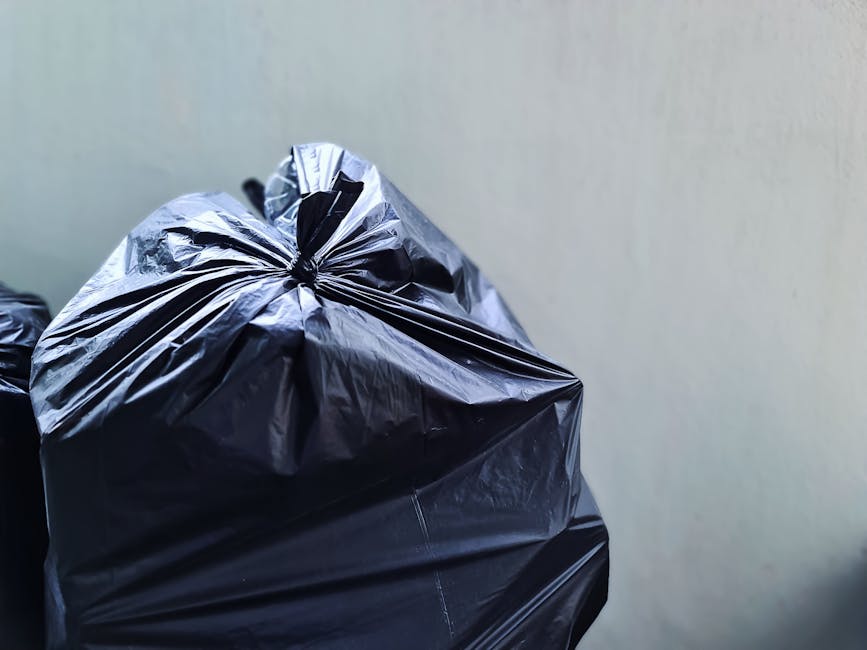
Croydon Council rules for Household Rubbish and Disposal
Posted on 08/10/2026
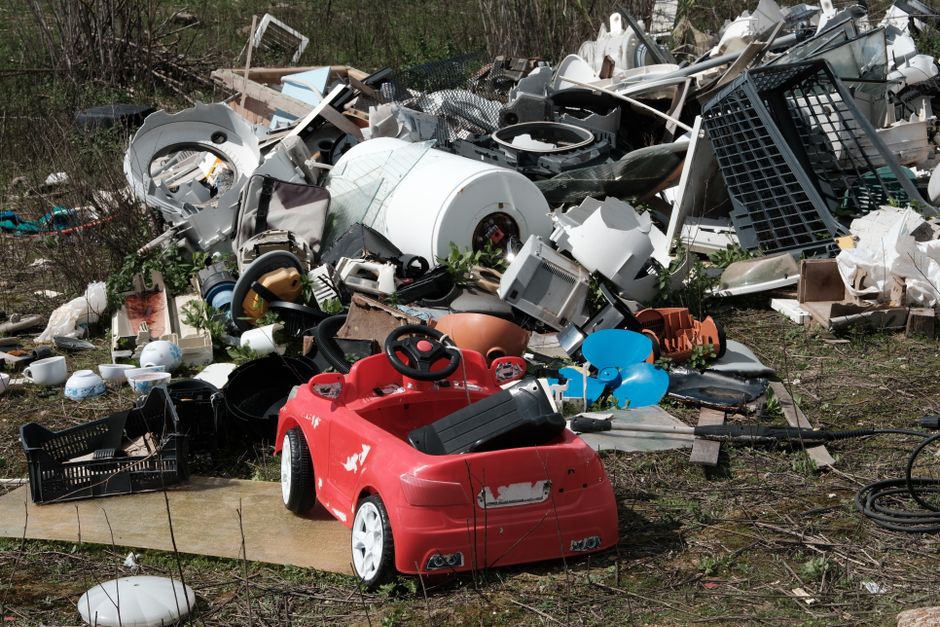
If you are trying to work out what Croydon Council rules for Household Rubbish and Disposal actually mean in day-to-day life, you are not alone. One week it is a broken chair, the next it is a bag of mixed household waste, and before long the pile in the hallway starts looking like a small project you never asked for. The good news? Once you understand the basics, household disposal in Croydon becomes much easier to manage.
This guide breaks down what the rules are trying to achieve, how household rubbish disposal usually works, what people often get wrong, and how to handle awkward items without causing yourself a headache. We will also cover practical alternatives for bulky waste, recycling, and one-off clearances, because let's face it, the rubbish bin fills up faster than expected when life gets busy.
Whether you are a homeowner, tenant, landlord, or simply sorting a post-clearout mess, this article gives you a sensible, grounded way to stay on the right side of local waste rules and make better disposal decisions.
- Why the rules matter
- How household rubbish disposal works in practice
- Key benefits and practical advantages
- Who this is for and when it makes sense
- Step-by-step guidance
- Expert tips for better results
- Common mistakes to avoid
- Tools, resources and recommendations
- Law, compliance, standards and best practice
- Options and comparison
- Real-world example
- Practical checklist
- Conclusion
- Frequently asked questions
Why Croydon Council rules for Household Rubbish and Disposal Matters
Household waste rules are not just about keeping the street tidy. They affect how safely waste is stored, collected, recycled, and taken away from your property. In Croydon, as in other London boroughs, the practical issue is simple: if rubbish is put out incorrectly, it can be missed, split open by animals or weather, or left as a nuisance on the pavement. Nobody wants that smell drifting out on a warm afternoon, or a row with neighbours over a bag that should have gone elsewhere.
The rules matter for three main reasons. First, they help keep refuse collections efficient. Second, they support recycling, which means less going to landfill or incineration than necessary. Third, they reduce the chance of fly-tipping, contamination, and avoidable complaints. That sounds dry on paper, but in real life it is the difference between a clear kerbside and a messy, stressful week.
There is also a cost angle. If rubbish is not sorted properly, you may end up needing additional collection help, a bulky waste service, or a private clearance. It is usually cheaper and less painful to handle disposal correctly the first time. Truth be told, most problems happen because people are rushed, unsure, or assuming "it will be fine" when it probably will not.
Expert summary: The smartest approach is to separate normal household waste, recycling, food waste, and bulky items early, then choose the disposal route that matches the item rather than forcing everything into one black bag.
How Croydon Council rules for Household Rubbish and Disposal Works
The basic idea is straightforward: ordinary household rubbish should be presented in the correct container or format for collection, while recyclable materials, food waste, and special items need to go into their designated stream. For many homes, that means keeping mixed rubbish separate from dry recycling and other accepted materials. If you have ever stood in the kitchen holding a half-full carrier bag wondering, "Can this go out with the normal waste?" you are thinking in exactly the right way.
Most local waste systems follow a common structure:
- General household rubbish for non-recyclable items that cannot be reused or composted.
- Dry recycling for materials such as paper, card, certain plastics, tins, and cans, subject to local guidance.
- Food waste where a separate food waste collection or container is provided.
- Bulky waste for larger items such as furniture or appliances that will not fit in standard bins.
- Garden waste for grass cuttings, hedge trimmings, and similar organic material where applicable.
In practice, the council expects waste to be stored safely, presented neatly, and not to create a hazard. Bags should generally be secure, bins should be closed, and anything loose should be managed in a way that does not blow around the street. Simple enough in theory. In reality, one overfilled bin and a windy morning can turn things odd pretty fast.
It also helps to think in terms of item type rather than room type. A kitchen clear-out, for example, might generate food waste, broken crockery, packaging, and a small appliance. Those items do not all belong in the same stream. This is where a careful sort saves time later.
If you are planning a larger clear-out, you may also find it useful to look at broader disposal support such as waste disposal in Croydon or more targeted services like rubbish collection Croydon when the pile is bigger than your regular collection can handle.
Key Benefits and Practical Advantages
Following local household rubbish rules is not just about avoiding a problem with collections. Done well, it makes life easier in several very practical ways.
- Fewer missed collections: rubbish presented correctly is more likely to be taken first time.
- Better recycling outcomes: clean, sorted material is more likely to be recycled properly.
- Less clutter at home: clear routines stop bags stacking up in hallways, sheds, or on balconies.
- Lower stress during clear-outs: whether you are moving house or decluttering, a system reduces chaos.
- Reduced risk of pests and smells: especially where food waste or damp bags are involved.
- Cleaner shared spaces: useful for flats, HMOs, and terraced streets where bin storage is tight.
There is also a quieter benefit people often overlook: better decision-making. Once you know the difference between standard rubbish, recyclables, and bulky disposal, you stop guessing. That alone makes the whole process calmer.
For bigger household projects, combining careful sorting with the right service can make a noticeable difference. Furniture, for instance, may be better handled through furniture disposal in Croydon or, if the item is still reusable and you want a broader clear-out, furniture removal Croydon. Small distinction, but an important one.
Who This Is For and When It Makes Sense
This topic is relevant to almost anyone living or working from a home in Croydon, but some people need to pay closer attention than others.
- Homeowners clearing regular waste, garden trimmings, or an accumulated garage backlog.
- Tenants who need to avoid breaching tenancy expectations or leaving bins in poor condition.
- Landlords and letting agents who want a property handed back without a mountain of rubbish in the front room.
- Families dealing with extra packaging, broken toys, furniture changes, and bulkier waste.
- Older residents or anyone without easy access to transport for taking items to disposal points.
- People preparing a move who need to clear responsibly and quickly.
It also makes sense if your rubbish situation is unusual. Perhaps you have inherited a property, are dealing with a loft full of mixed bits, or have just renovated a room and now have dust sheets, wood, and packaging everywhere. In those cases, the everyday bin routine may not be enough. A more structured plan is usually the better answer.
If you are comparing options for a loft, house, or multi-room clear-out, a service such as house clearance Croydon can be more appropriate than trying to fight your way through several weeks of standard collections.
Step-by-Step Guidance
Here is a practical way to handle household rubbish in a way that fits normal council expectations and reduces the chance of errors.
- Sort the waste by type. Separate general rubbish, recycling, food waste, garden waste, and bulky items. Do not leave the sorting until collection day.
- Check what can be recycled. Clean, dry items are generally easier to manage. Food-soiled packaging often cannot go into recycling, so keep an eye on contamination.
- Use the correct container. Bags, bins, boxes, and caddies all play different roles. Overfilled bins are a common cause of problems.
- Break down large items where safe. Flat-pack boxes, collapsed packaging, and dismantled items take up less space and are easier to handle.
- Keep hazardous or specialist waste separate. Batteries, paint, chemicals, sharp objects, and electrical items need extra care. Do not mix them in with normal household waste.
- Present waste on the right day and in the right way. Put it out according to local collection expectations, not long before or after.
- Escalate to a suitable disposal method if needed. If it will not fit the normal system, look at a bulky collection or private clearance.
A small but important detail: if you are not sure whether an item is recyclable, it is better to check before tossing it in. One contaminated bag can spoil a whole set of materials. Bit frustrating, but that is how it goes.
If the job is more than a simple bin-day sort, services overview pages can help you understand what level of help fits the task, while waste clearance Croydon is often a better fit for mixed or awkward loads.
Expert Tips for Better Results
After enough household clear-outs, a few patterns become obvious. The people who stay calm are usually the ones who plan in small steps rather than trying to do everything at once.
- Use one bag or box per category. It sounds basic, but it stops the "where does this go?" problem later.
- Keep a small waste caddy in the kitchen. It makes food waste and daily scraps much easier to separate.
- Label problem items early. If something needs donating, recycling, or special handling, mark it straight away.
- Don't wait for overflow. Once bags start sitting beside bins for days, the whole area becomes harder to manage.
- Measure bulky items before disposal. A quick look at dimensions can save a lot of confusion later.
- Keep one "decision pile" and one "done pile." This old trick works surprisingly well during room clear-outs.
For more complex jobs, especially where safety matters, look at providers with clear guidance around handling and collection. Pages such as insurance and safety and waste carrier licence and compliance are helpful because they show whether a service is set up to handle disposal properly. No one wants the "cheap and cheerful" option to become a problem later.
Also, if you are decluttering while the kids are at school or between jobs in the morning, it can help to do the sorting in one focused session. Half an hour of concentration beats a week of walking past the same pile.
Common Mistakes to Avoid
The same disposal mistakes crop up again and again, and most of them are avoidable.
- Putting the wrong items in the wrong bin. Mixed waste and recycling contamination are common issues.
- Leaving bags open or torn. Loose waste can spread quickly and create a mess.
- Overfilling containers. If a bin lid cannot close, that is usually a sign to stop.
- Assuming all bulky waste is the same. A sofa, a mattress, and a washing machine may need different handling.
- Dumping items on the pavement too early. That can create an eyesore and may attract complaints.
- Ignoring electrical or hazardous items. These require special treatment, even if they are small.
- Using unverified disposal help. If someone offers to "take it away cheaply," ask questions first.
One of the more annoying mistakes is leaving everything until the night before collection. It usually turns into a rushed, slightly chaotic sort-out, and somehow the one broken item you forgot about always appears at the worst possible moment. Happens to the best of us.
For bigger clean-outs, structured support such as builders waste disposal Croydon may be more suitable after renovation work, while white goods and appliance disposal Croydon is the better route for fridges, ovens, washing machines, and similar items.
Tools, Resources and Recommendations
You do not need a complicated toolkit to manage household disposal well. A few practical basics go a long way.
| Tool or resource | What it helps with | Why it is useful |
|---|---|---|
| Sturdy bin bags | General household waste | Reduces spills and makes handling easier |
| Recycling boxes or sacks | Dry recyclable items | Keeps materials clean and sorted |
| Labels or marker pen | Sorting items for disposal | Useful during clear-outs and shared households |
| Gloves and basic protective wear | Handling sharp, dirty, or dusty items | Simple protection during bigger jobs |
| Trusted removal service | Bulky or mixed waste | Saves time when council collections are not enough |
When the waste is not straightforward, it helps to use services that specialise in the type of load you have. For example, garden cuttings are different from office chairs, and loft clutter is different again. If that sounds obvious, good. It should. Yet many people still try to bundle everything together and hope for the best.
Useful service pages include garden waste removal Croydon for green waste, loft clearance Croydon for storage spaces, and commercial waste removal Croydon if the rubbish is business-related rather than household.
Law, Compliance, Standards, or Best Practice
Waste disposal sits inside a wider legal and environmental framework. You do not need to become a waste law expert to stay compliant, but you should understand the basics.
In the UK, householders are generally expected to present waste responsibly and use legitimate disposal routes. Fly-tipping, careless dumping, and handing waste to unlicensed operators can create problems fast. If someone takes away your rubbish and dumps it elsewhere, you may still face awkward questions if the transfer was not handled properly. That is why checking carrier credentials matters.
Best practice usually includes the following:
- separating recyclable materials from general rubbish where possible;
- keeping waste secure so it does not escape into the street;
- using approved containers and collection methods;
- handling electricals, sharps, and hazardous items carefully;
- keeping evidence of reputable disposal arrangements for larger jobs.
If you are arranging a larger clear-out or private collection, it is sensible to use a provider that can explain how waste is handled, whether the team is insured, and how compliance is managed. The point is not to overcomplicate things. It is to avoid the sort of mistake that turns a tidy job into a messy one, legally and practically.
For businesses or households managing a lot of material at once, compliance-focused pages such as about us and terms and conditions can also help you judge whether a service is structured properly. Not glamorous, but useful.
Options, Methods, or Comparison Table
Not every rubbish problem needs the same fix. Here is a practical comparison of the most common disposal routes.
| Method | Best for | Strengths | Limitations |
|---|---|---|---|
| Regular household bin collection | Day-to-day rubbish and routine recycling | Simple, familiar, usually the cheapest option | Limited capacity, not suitable for bulky loads |
| Special council collection | Bulky or harder-to-manage household items | Convenient for certain items, avoids self-transport | May involve booking, waiting, or item restrictions |
| Private rubbish removal | Mixed, heavy, urgent, or large clear-outs | Flexible, fast, suited to awkward jobs | Usually costs more than standard collection |
| Reuse, donation, or resale | Usable furniture and household goods | Best for sustainability and value recovery | Not every item is suitable or accepted |
| Recycling or specialist disposal | Electricals, garden waste, and separated materials | Better environmental outcome, safer handling | Requires sorting and sometimes separate trips |
In many homes, the best answer is a mix of methods. A few items go in the weekly bin, a couple can be donated, and the awkward rest need a proper collection. That is normal. You do not need to force every item into one route just because it would be convenient.
If you are deciding between options, the pages on pricing and quotes and payment and security can help you think through the practical side before booking anything.
Case Study or Real-World Example
Picture a typical Croydon flat after a long weekend of clearing out. There is a damaged chest of drawers, old packaging from a new mattress, three black bags of mixed household waste, a broken desk lamp, and a pile of paper and cardboard from a home office corner. At first glance, it all looks like "rubbish." But it is not one single category.
The sensible approach would be to separate the cardboard, check whether the lamp is electrical waste, keep the general bags secure for the normal collection, and decide whether the drawers need dismantling or a furniture disposal route. If the mattress packaging is clean, it may be recyclable; if it is heavily mixed with tape and dirt, it may not be. That tiny judgement call matters more than most people realise.
In our experience, this is the moment where people feel the stress lift a little. Once the items are split into neat groups, the job stops looking huge. A lot of disposal anxiety is really sorting anxiety. The rubbish itself is only half the battle.
For a similar situation involving a fuller household load, a combination of Croydon waste removal and targeted furniture support can be a cleaner solution than trying to patch everything together over several collection days. If the property contains a lot of mixed contents, waste clearance Croydon can be the more practical route.
Practical Checklist
Use this before putting anything out or booking removal. It keeps things tidy and avoids the "oh no, forgot that" moment.
- Have I separated general waste, recycling, food waste, and bulky items?
- Are all bags tied securely and bins closed properly?
- Have I checked whether any item is hazardous, electrical, or sharp?
- Can any usable item be donated, reused, or sold instead of thrown away?
- Do I need a specialist route for furniture, appliances, or garden waste?
- Is there enough space for the waste to be stored safely until collection?
- Am I using a legitimate disposal service if I am not handling it myself?
- Have I avoided overfilling containers or leaving loose material outside?
- Do I know the correct collection day or booking time?
- Have I checked the load one last time for items I want to keep?
A quick checklist like this can save a surprising amount of time. And, honestly, it is easier than trying to remember everything once you are standing in front of a heap of mixed rubbish with tired arms.
Get a free quote today and see how much you can save.
Conclusion
Once you understand Croydon Council rules for Household Rubbish and Disposal, the whole process gets much less stressful. The main idea is simple: sort waste properly, use the right route for the right item, and avoid treating every unwanted thing as if it belongs in the same bag. That one habit makes a bigger difference than people expect.
For routine household waste, a clear bin-day system is usually enough. For bulky, mixed, or time-sensitive jobs, a proper removal option may be the better choice. Either way, good disposal is really about being organised, considerate, and just a bit decisive. Not perfect. Just sensible.
If you are facing a pile of rubbish right now, start small. Sort one bag. Separate one item. Get one corner under control. Momentum tends to follow, and once it does, the rest feels far less overwhelming. Little by little, the space starts to breathe again.